 01
Collect & sort
Municipal, industrial, agricultural and hazardous streams are characterised and separated.
Process · Energy · Circular Resources
ARV3XA
We develop, engineer and deliver waste-to-value plants. We recycle what can be recycled, transform the rest into energy and products, and keep the value in the territory — never landfill by default.
Team experience of ARV3XA’s founders in previous positions — not ARV3XA contracts.
Our DNA
We deploy every possible means to avoid landfilling waste, whatever its nature: municipal, industrial, agricultural or hazardous.
Material recycling where local channels exist; transformation into energy, fuels, biochar or fertiliser where they do not.
Energy, products, jobs and revenues stay in the territory, strengthening the local economy and reducing imports.
The opportunity
2.0 bn tonnes
of municipal solid waste are produced worldwide every year — 3.4 bn tonnes expected by 2050.
Source: World Bank, What a Waste 2.0Open burning
Where collection is missing, waste is burned or dumped — polluting air, rivers and coastlines, and wasting a resource.
Every tonne needs a route.Every tonne
is a resource waiting for the right route: recycled materials, energy, fuels, biochar or fertiliser — produced and sold locally.
That is our job.From waste to value
Recycle first. Transform what cannot be recycled. Keep energy, products and jobs where the waste is generated.
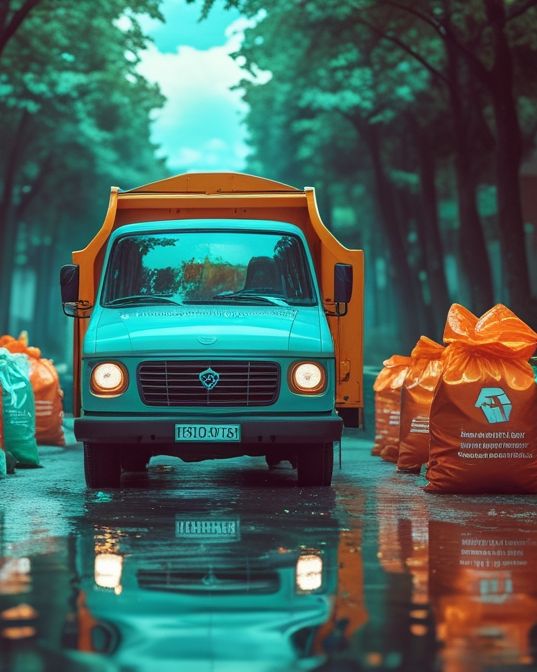
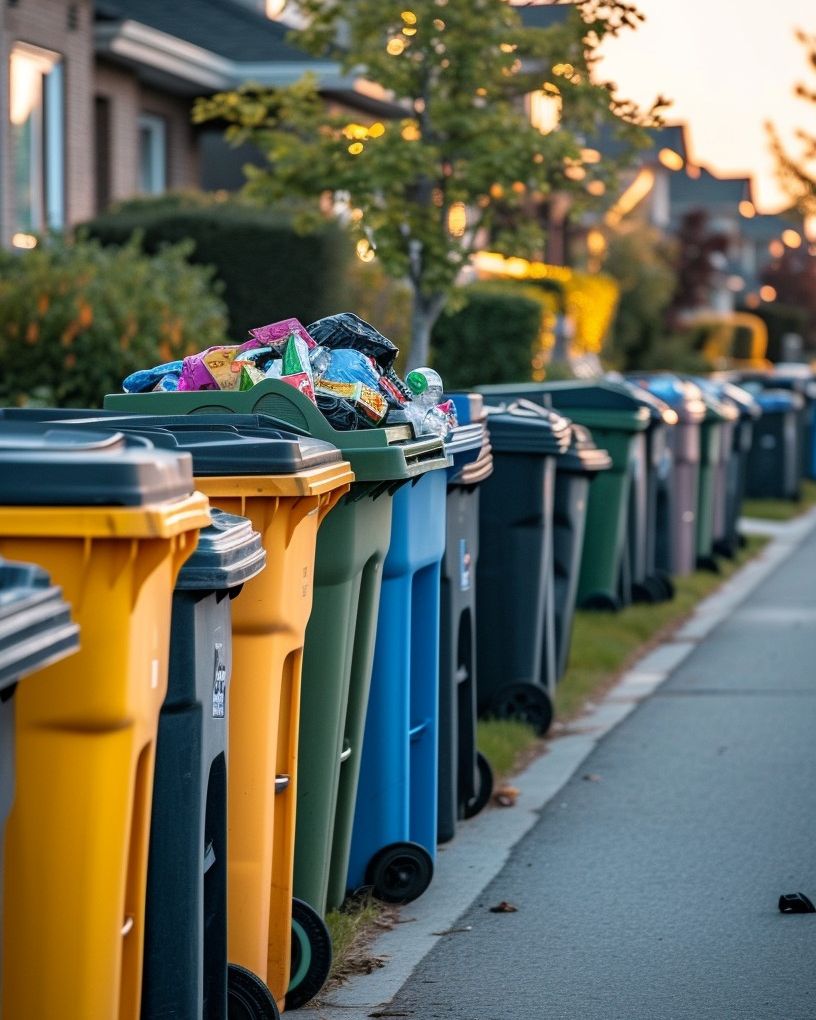
01Municipal, industrial, agricultural and hazardous streams are characterised and separated.
 02
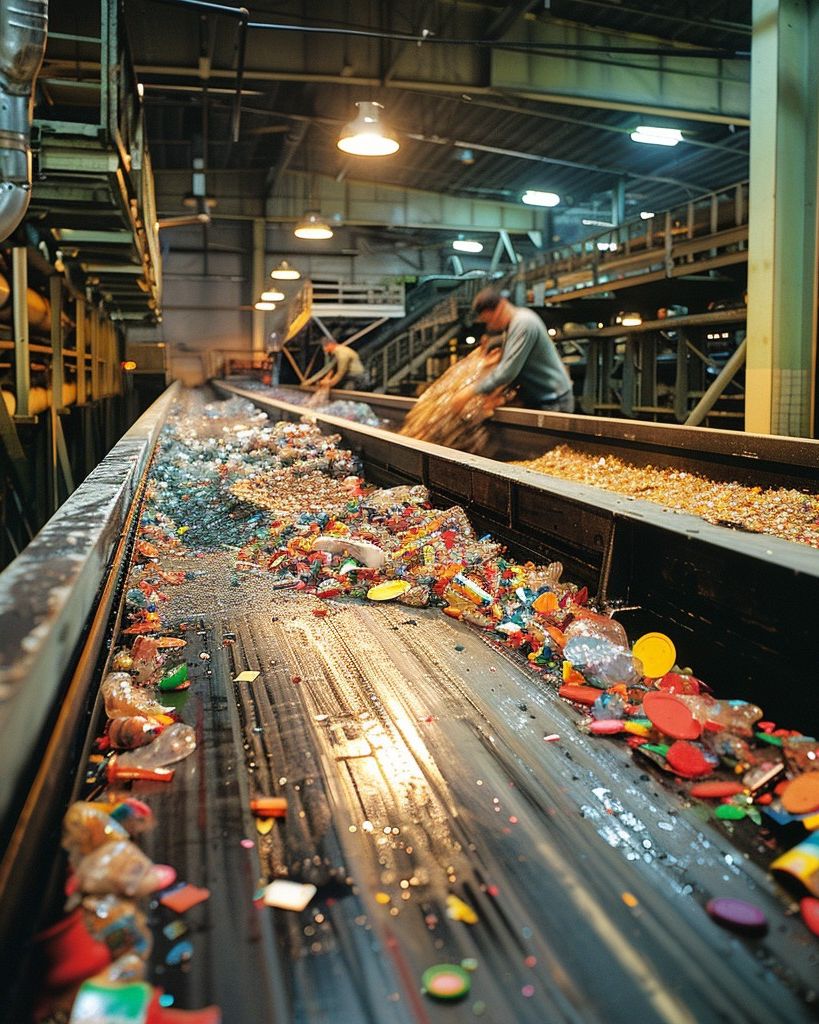
Material recovery wherever a local channel exists: plastics, metals, oils, paper.
 03
Pyrolysis, digestion, fermentation or composting for what cannot be recycled.
 04
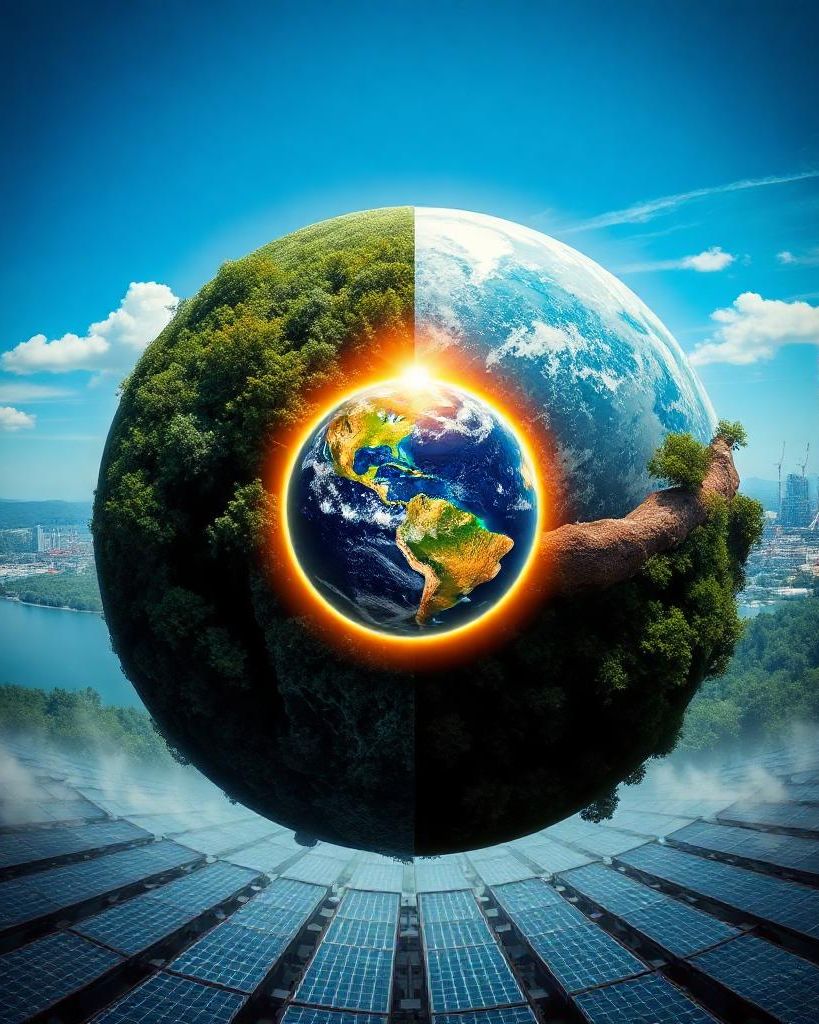
Electricity, heat, fuels, biochar and fertiliser, sold and used in the territory.
Technology portfolio
Ten proprietary and partner technologies, each deployed under the same engineering and stage-gate principles. Pick a resource to see the routes we would study first.
Turning hazardous used lubricants into virgin-quality base oils
Recovering fuel and energy from non-recyclable plastics
From agricultural and organic residues to biochar, energy and carbon credits
Coupling woody-biomass pyrolysis with anaerobic digestion
Liquid renewable fuel from sugar, starch and lignocellulosic residues
Controlled in-vessel composting of non-woody plant material
Recycling first — preparing every stream for its best route
Densified, transportable biomass fuel and feed
The key enabler of every thermal conversion route
Dispatchable, weather-independent electricity from a closed-loop thermodynamic cycle
Waste-to-value calculator
Move the sliders to estimate what a pyrolysis plant could produce each year from your woody biomass.
Indicative figures for woody biomass: 33% biochar yield by mass, 3,900 kWh of recoverable heat per tonne of wood, and 2.8 t of CO₂ stored per tonne of biochar (Puro.earth average for wood feedstocks). Final performance depends on feedstock and moisture, and is confirmed during the feasibility study.
How we work
Origination, feedstock audit, site and permits, SPV structuring, offtake agreements.
Feasibility, technology selection, FEED, EPC tender strategy, construction supervision.
EPC / EPCM contracting (FIDIC, NEC), procurement, construction, commissioning.
Business plans, financing files, investor identification and carbon revenues.
Technology partners





For individuals too
Support a community programme on a tourist island in Indonesia, and soon help map the waste that escapes collection with a light citizen app.
Let’s build together
Tell us about your feedstock, site and goals. We reply with a first assessment.